
About AI Pure Health andYour Personal
AI Therapist
We leverage advanced AI to guide you toward a healthier, more confident life through smarter, data-informed wellness discovery. Our platform connects you with trusted health partners and AI-enhanced solutions, offering carefully curated recommendations you can rely on. By helping you discover, compare, and choose vetted health innovations, we make it easier to thrive with clarity, confidence, and intelligent support at every step of your wellness journey.


At AIPureHealth, we transform complex health information into meaningful, actionable insights. Our AI-powered platform helps individuals monitor wellness indicators, recognize emerging trends, and access personalized educational guidance to support long-term well-being.
K.H
Share what you are going through and get calm, practical support for stress, relationships, anxiety, burnout, grief, and everyday emotional challenges.
Whether it is stress at work, relationship tension, loneliness, anxiety, grief, or a decision you are stuck on, TherapyWithAI gives you an AI therapist you can talk to privately and use to find your next step. Medical Disclaimer: The information provided on AIPureHealth is for educational and informational purposes only and is not intended as medical advice, diagnosis, or treatment. Always consult a qualified healthcare professional regarding any medical concerns. If you are experiencing a medical emergency, call 911 or your local emergency services immediately.
TherapyWithAI gives you a private AI companion for talking through emotions, daily stress, relationships, goals, and patterns. It responds conversationally, helps you reflect, and offers practical next steps based on what you share.
Talk with an AI therapist today.
Support Your Health Journey with Personalized Care
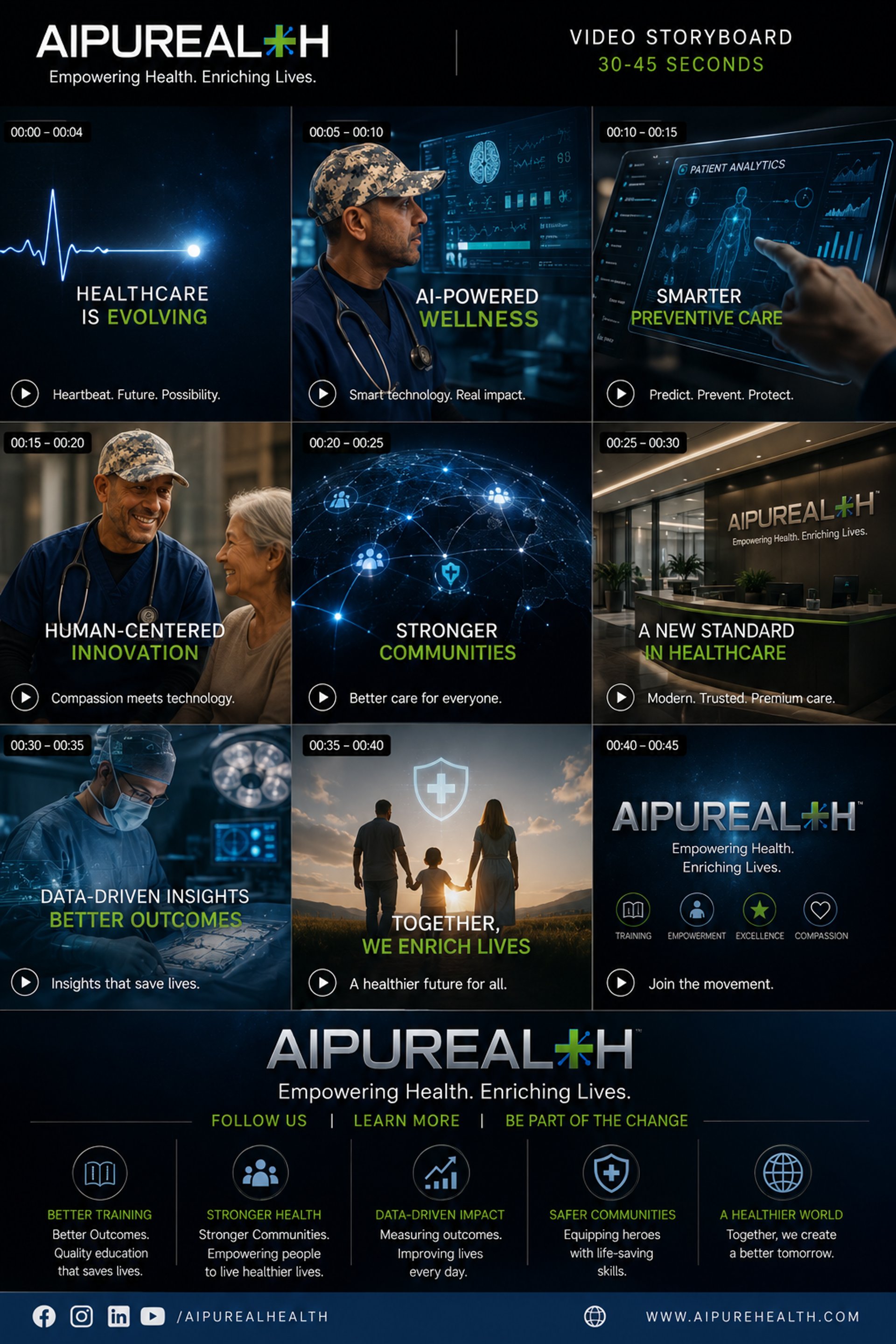
“Supporting healthier living with intelligent insights, alongside accessible therapy and personalized help that guides your overall well-being.”
AI and Patients’ Rights
Artificial intelligence is beginning to play a bigger role in healthcare, from symptom checkers and virtual health assistants to medical imaging tools and personalized wellness apps. While these technologies can improve access to information and support faster decision-making, they also raise important questions about patient rights, privacy, fairness, and informed consent.
What Are Patients’ Rights in the Age of AI?
Patients’ rights are the basic protections and expectations people have when receiving health-related care or using healthcare technology. When AI is involved, these rights still matter just as much—sometimes even more.
Key patient rights connected to AI include:
1. The Right to Privacy
Patients have the right to expect that their health information is handled securely and respectfully. AI tools often rely on large amounts of personal data, including symptoms, medical history, and wellness habits. This makes privacy a major concern.
Patients should know:
What data is being collected
How that data is stored
Whether it is shared with third parties
If AI systems use the data to improve future models or services
2. The Right to Informed Consent
If AI is being used in a healthcare setting—whether to support diagnosis, monitor symptoms, or recommend treatment—patients should be told when and how it is being used.
Informed consent means patients deserve clear information about:
The role AI plays in their care
What the tool can and cannot do
Whether a human professional reviews the results
Any risks, limitations, or uncertainties involved
3. The Right to Human Oversight
AI can be helpful, but it should not replace qualified medical professionals in situations that require clinical judgment, diagnosis, or treatment decisions. Patients have the right to ask for human review and professional medical guidance.
AI may assist with:
Organizing health information
Spotting patterns in data
Providing general wellness suggestions
But patients should still be able to access a licensed healthcare provider for important decisions about their health.
4. The Right to Fair and Unbiased Care
AI systems are only as good as the data they are trained on. If that data is incomplete or biased, the system may produce unfair or inaccurate results for some groups of people.
Patients have a right to expect that AI tools are designed and used responsibly, with attention to:
Accuracy
Equity across different populations
Regular review for bias or errors
Safe and ethical use of health data
5. The Right to Understand the Limits of AI
AI tools can be useful for education, support, and symptom tracking, but they are not perfect. Patients should not be misled into believing AI can replace a doctor, therapist, or emergency care provider.
People using AI health tools should be reminded that:
AI can make mistakes
It may provide incomplete or outdated information
It does not know a person’s full medical history unless that information is provided
It should not be relied on for emergencies or urgent care decisions
Why This Matters
As AI becomes more common in healthcare and wellness platforms, trust becomes essential. Patients deserve transparency about how these systems work and how their information is used. Protecting patient rights helps ensure that technology supports care rather than complicates it.
AI has the potential to make health information more accessible and personalized, but it should be used in a way that respects the person behind the data.
Final Thoughts
AI can be a helpful part of modern healthcare, but it should never come at the expense of privacy, safety, or informed choice. Patients still have the right to ask questions, understand their care, and decide how their information is used.
The future of healthcare may include more AI, but it should also include stronger protections for the people it is meant to serve.
Medical Disclaimer: This article is for informational purposes only and does not constitute medical or legal advice. AI health tools are not a substitute for licensed healthcare professionals, and individuals should consult a qualified provider for personal medical care and advice. Concerns.
Services
Delivering cutting-edge AI health technologies to improve outcomes for everyone.
Guidance
“Convert your wearable data into meaningful progress. Monitor essential health metrics, uncover valuable insights, and stay motivated while steadily improving your overall performance.”


Wearables
“Take control of your fitness with smart technology that syncs wearable devices, monitors your health in real time, and provides personalized insights to support continuous progress.”
“Leverage smart fitness technology to capture real-time performance data, measure your progress, and maintain a clear path toward achieving your health goals.
AI Solutions


